Critical Plumbing Services: Keeping Your Home's Plumbing Systems in Top Condition
Keeping up your home's plumbing systems is crucial for overall functionality. Property owners regularly come across common issues like leaks, blockages, and underperforming fixtures. Routine checkups can detect these concerns before they escalate. Acknowledging the necessity of regular plumbing maintenance can result in significant cost savings and enhanced comfort. Still, numerous homeowners do not know how to identify the most qualified technician or what services are most critical. Exploring these aspects can offer reassurance and understanding for property owners.
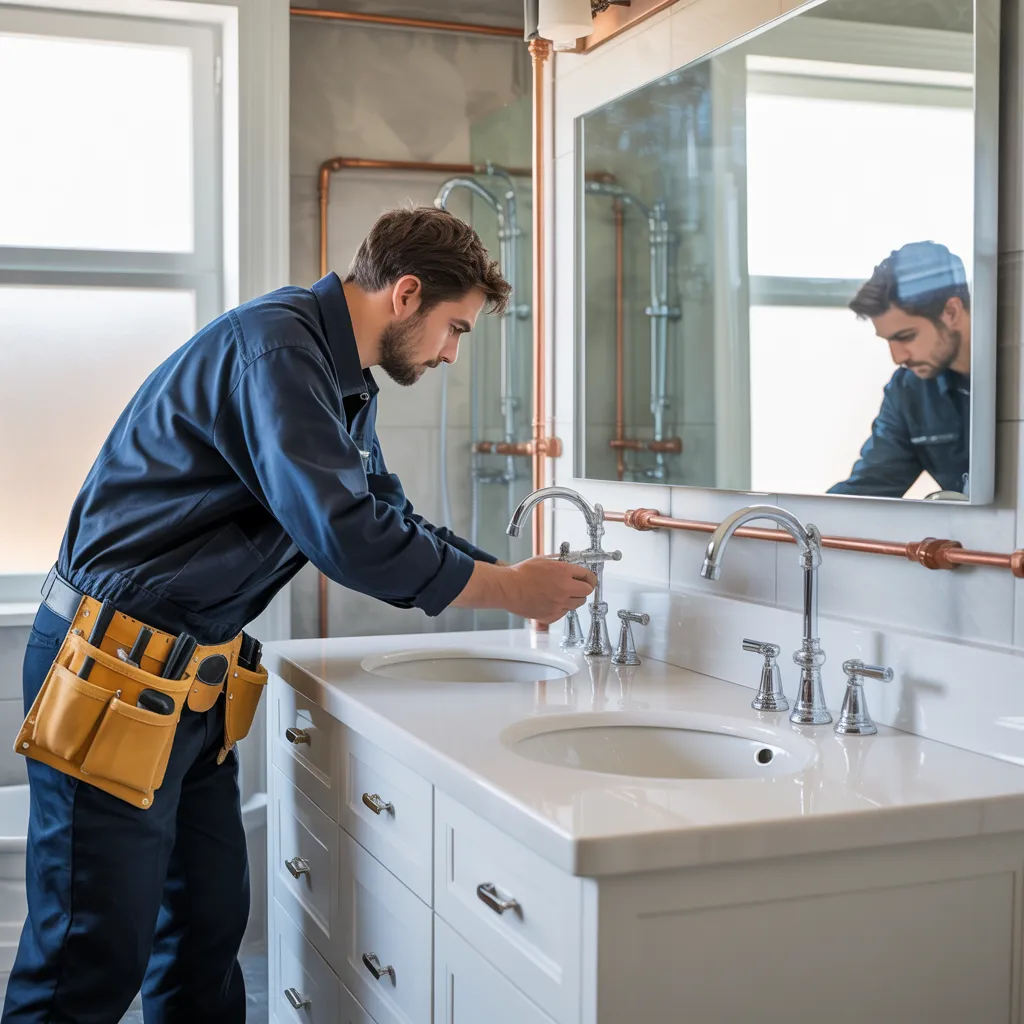
Typical Plumbing Issues Homeowners Encounter
Homeowners often encounter numerous plumbing issues that can disrupt daily life. Common problems include faulty faucets, which not only waste water but also lead to rising utility costs. Clogged drains present another frequent challenge, frequently stemming from hair, grease, or foreign objects obstructing the pipes. Furthermore, toilet problems, including persistent running or inadequate flushing, can cause considerable disruption.
Water heater failures may result in irregular hot water availability, affecting daily routines. Furthermore, broken pipes can lead to significant water destruction, demanding urgent intervention. In addition, sewer line issues may lead to foul smells and possible health risks if left unattended. Any of these issues, if unaddressed, can grow into more severe problems, underscoring the need for homeowners to stay informed about these typical plumbing issues.
Why Routine Plumbing Services Are Essential for Homeowners
Routine plumbing maintenance plays a critical role in keeping a home's plumbing system in optimal condition. Scheduled inspections and upkeep allow homeowners to detect problems before they develop into expensive repairs. By resolving minor leaks, deterioration, and obstructions in a timely manner, property owners can protect their homes from serious damage.
In addition, scheduled services support the long-term performance of plumbing fixtures and appliances, helping them function at peak efficiency. This preventive measure not only saves money in the long run but also improves the quality of water and reduces the risk of mildew and mold buildup.
Homeowners who prioritize routine plumbing upkeep can benefit from peace of mind, knowing that their systems are working properly. Additionally, routine upkeep can result in improved property value, as potential buyers frequently seek out well-kept plumbing systems. Ultimately, regular plumbing services are an essential aspect of responsible homeownership.
Critical Emergency Plumbing Services Worth Knowing About
What should you do when a plumbing emergency occurs? Homeowners frequently experience panic and distress, dealing with problems like burst pipes, flooding toilets, or serious leaks. To combat these challenges, several essential emergency plumbing services are fundamental. First and foremost, a 24/7 emergency response service is critical, guaranteeing that assistance is accessible at any hour. Furthermore, water damage restoration services work to lessen the consequences of flooding, preserving your home and valuables. Moreover, drain cleaning services are able to resolve unexpected clogs that cause backups, offering immediate relief. Leak detection services are also essential, identifying hidden leaks before they escalate into significant problems. To conclude, sewer line repairs are capable of eliminating severe health dangers by addressing root infiltration or breakdowns. Knowing these top emergency plumbing services equips homeowners to act swiftly and effectively when crises arise, preserving the safety of their homes and overall well-being.
Finding the Ideal Plumbing Specialist
How can one guarantee they select the right plumbing professional for their needs? Begin by looking into local plumbing professionals, focusing on those with favorable reviews and high ratings. A reliable plumbing professional must carry the appropriate licenses and insurance, guaranteeing conformity with local regulations and safeguarding against potential legal and financial risks.
Furthermore, examine their specialization and experience. Certain plumbers may specialize in residential projects, important guide while others specialize in commercial setups or certain plumbing problems. Gathering estimates from various experts can help assess costs and service offerings.
Finally, communication is key; a skilled plumber should be open and friendly, prepared to respond to inquiries, and offer clear descriptions of the necessary repairs. By considering these factors, homeowners can carefully select a experienced plumbing specialist who fulfills their particular needs and guarantees the smooth functioning of their plumbing infrastructure.
Tips to Prevent Plumbing Issues in Your Home
Choosing the best plumbing expert is just the beginning in maintaining a healthy plumbing system. Residents can adopt several proactive steps to avoid plumbing issues. Regularly inspecting pipes for leaks or corrosion is essential; prompt identification can prevent costly repairs. Additionally, ensuring that drains are free from debris and grease will help ensure adequate water flow. It is recommended to install strainers in sinks and bathtubs to catch hair and food particles. Homeowners should also be careful about items flushed down the toilet, avoiding items that can cause blockages. Furthermore, periodic maintenance, such as flushing the water heater to eliminate sediment buildup, can increase its longevity. Finally, familiarizing yourself with the main water shut-off valve location is essential for responding to emergencies quickly. By following these tips, residents can greatly reduce the risk of unexpected plumbing problems.
What to Expect During a Professional Plumbing Inspection
Throughout a professional plumbing inspection, homeowners can anticipate a comprehensive evaluation of their home plumbing systems. Inspectors typically identify common issues such as corrosion, leaks, and clogs, while also providing essential maintenance recommendations. This process not only highlights current issues but also aids in preventing future complications.
Inspection Process Summary
A detailed plumbing assessment is vital for maintaining the integrity of a residential plumbing system. As part of the inspection process, a professional plumber examines a range of components, including fixtures, pipes, and appliances. The evaluation starts with a visual inspection to uncover any evident defects, followed by pressure evaluations to ensure the system is free of leaks. The plumbing professional may also make use of specialized camera equipment to evaluate pipes that are not visible, delivering a thorough view of the plumbing system. Water flow along with drainage is evaluated to verify top-level functionality. Additionally, the plumber confirms conformity with applicable local regulations and codes. Property owners are provided with a complete written report outlining findings, which facilitates upcoming repairs and maintenance. This proactive method serves to avoid costly plumbing issues.
Typical Issues Discovered
Recognizing frequent plumbing problems is a vital aspect of a professional inspection. During an assessment, technicians generally check for leaking pipes, which can result in water damage and mold growth. Clogged drains are another prevalent problem, frequently caused by debris accumulation or tree root intrusion. Additionally, deteriorating fixtures, such as faucets and toilets, may show signs of deterioration, including rust or corrosion. Inspectors also evaluate water pressure levels, ensuring they fall within acceptable ranges, as both excessive and insufficient pressure can indicate underlying problems. Finally, they examine the comprehensive status of the home's water heater, checking for signs of leaks or corrosion. Addressing these common issues early can mitigate the risk of severe damage and high repair costs down the line.
Essential Maintenance Tips
Periodic plumbing inspections give homeowners with important information about the condition of their systems. During a comprehensive plumbing inspection, plumbers assess key components such as water heaters, pipes, and faucets. They check for leaks, blockages, and indications of corrosion, which can result in expensive repairs if ignored. Homeowners can anticipate guidance on maintaining peak performance, including consistent drain maintenance and pressure monitoring. Inspectors routinely examine the entire plumbing system to identify potential issues before they escalate. It is recommended to arrange inspections annually or bi-annually to ensure systems continue to function properly. By adhering to these maintenance tips, homeowners can prolong the lifespan of their plumbing systems and avoid unexpected emergencies.
Common Questions and Answers
How Frequently Should I Replace My Plumbing Fixtures?
Experts recommend replacing plumbing fixtures every 10 to 15 years, according to use and maintenance habits. Regular inspections can detect wear and tear, ensuring efficiency and preventing costly repairs or water damage in the long run.
What Are the Signs of Hidden Plumbing Leaks?
Common signs of hidden plumbing leaks involve water marks appearing on walls or ceilings, sudden rises in water bills, musty or damp smells, and the persistent sound of flowing water. Prompt detection can help avoid further damage and reduce costly repair expenses.
Are Chemical Drain Cleaners Safe to Use?
Chemical drain cleaners can pose significant risks; they can cause pipe damage and prove dangerous when used incorrectly. It's advisable to follow instructions carefully or consider alternative methods for clearing clogs to guarantee safety and effectiveness.
Where Is My Main Water Shut-Off Valve Located?
To locate the primary water shut-off valve, it is advisable to search around the exterior walls of the home, commonly found in basements, crawl spaces, or garage areas. It typically resembles a circular or lever-style valve linked to the main water supply line.
What Should I Do During a Plumbing Emergency?
When faced with a plumbing emergency, one should immediately turn off the main water supply, evaluate the extent of the problem, place towels or buckets to manage any leaking water, and contact a professional plumber for urgent assistance and repairs.